Clay Bootcamp is now Bootprint 🥾 The story →
C3

Claude Code Foundations
for GTM Engineering

Whether you’re starting from zero or have used Claude Code quite a bit, this program will ensure you have the key mental models and habits that will help you maximize your use of Claude Code and ship real things. Join a group with infectious energy and ship and demo your work faster than you’d thought possible.

  • Max Rempillo GTM Engineer & Learning Experience Designer
  • Tanay Mishra Head of AI Training
  • Anna Bui · Ria Oblea Teaching assistants
Apply to Bootprint now →
Max Rempillo Tanay Mishra Teaching assistant: Anna BuiTeaching assistant: Ria Oblea

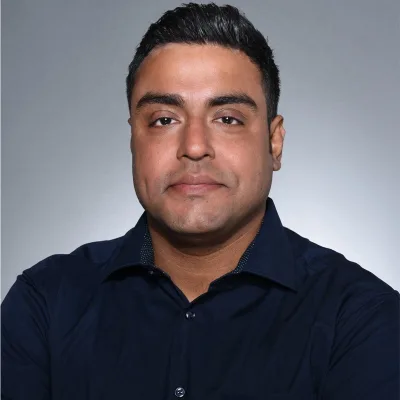
Max Rempillo leads the cohort, with Tanay Mishra and the TAs.

Format
Live cohort, online
Runs
Monthly
Length
2 weeks
Sessions
9:00–10:30 AM ET
Level
No terminal experience needed
Next cohort
Nilesh Patil

13,000 companies scraped in 20 minutes

I opened my Claude Code terminal, launched a command, triggered agents and subagents, and it literally pulled out a list of 13,000 companies in 20 minutes. I was just blown away.

Nilesh Patil Founder, Prospect Pulse

What you’ll learn

By the end of the two weeks, you’ll be able to:

Ship a live website on a real URL

Built and deployed by you, not handed to you as a template.

Build investigative research agents

Pull news, surface decision-makers, find public statements, and assemble outreach angles with receipts.

Use Git confidently

So you never wipe out days of work with one small mistake.

Connect Claude Code to live data

Using MCPs, so your agents investigate and think — not just generate text.

Debug without panic

Using Claude Code itself to fix what breaks, instead of stalling.

Post your work publicly

On a consistent cadence, backed by a peer pod that actually engages.

What you’ll walk away with

Things that exist at the end and that you can show someone.

What’s included

Everything that comes with a seat.

Curriculum

8 live sessions · 2 async build days ·

  1. Week 1 · Mon–Tue 9:00–10:30 AM ET

    Ship Fast, Build Habits

    Get a real site live on a real URL, and set up the habits — commits, small steps, reading errors — that make everything after it survivable.

  2. Week 1 · Wed No live call

    Async Build Day

    Build on what you started, with the instructor, the TAs and your pod in the channel when you get stuck.

  3. Week 1 · Thu–Fri 9:00–10:30 AM ET

    Build an Investigative Research Agent

    Wire Claude Code to live data through MCPs so it can go and find things, not just write about them.

  4. Week 2 · Mon 9:00–10:30 AM ET

    Open Build Day

    Bring your own build — your use case, your data, your problem — and troubleshoot it live with the group.

  5. Week 2 · Tue 9:00–10:30 AM ET

    Demo Day

    A 5–10 minute hot seat to demo the first version of what you built, walk through how it works, and take questions from the room.

  6. Week 2 · Wed No live call

    Async Build Day

    Take the Demo Day feedback and rebuild — tighten the workflow, fix what broke, ship v2.

  7. Week 2 · Thu 9:00–10:30 AM ET

    Second Demo Day

    Round two, sharper. Another hot seat to demo v2 with the feedback baked in.

  8. Week 2 · Fri 9:00–10:30 AM ET

    Graduation

    Debrief on the demo days, a final teaching session, and a look at where Claude Code fits in the rest of your GTM engineering work.

Who teaches it

Max Rempillo

Max Rempillo

GTM Engineer & Learning Experience Designer

Runs the cohort today and keeps iterating on it — teaching live, troubleshooting in the room, and carrying changes from one cohort into the next.

Tanay Mishra

Tanay Mishra

Head of AI Training

Created the first four versions of this cohort. The curriculum you take is the one built and rebuilt against what actually landed with each group.

Teaching assistants

In the room during live sessions and in the channel on build days.

Anna Bui

Anna Bui

Teaching assistant

Coaches Bootprint students through GTM engineering projects, and helps you scope a week-two build that is actually finishable in a week.

Ria Oblea

Ria Oblea

Teaching assistant

Curriculum coach across the Bootprint programs. Picks up questions in the cohort channel between live sessions.

Natalia Moura Gaal

5 client automations in 1 hour

I spent ALL of last Friday trying to debug code... This morning I told Claude Code what I needed and the magic happened — it did it for me in 2 minutes. In 1 hour, I set up the automation for 5 client channels. ONE HOUR.
Natalia Moura Gaal GTM Ops, Understory

What you’ll need

Who it’s for

  • Anyone who wants to be sure they have GTM engineering foundations with Claude Code
  • People who want to build things themselves rather than spec them and hand them off
  • People willing to put unfinished work in front of peers

Time commitment

  • 4–6 hours per week for the live sessions
  • Camera on, and willing to troubleshoot live in front of peers

Technical access

Strongly recommended. People who have these set up before day one get considerably more out of the two weeks.

  • Claude Code, via a Claude Pro or Max subscription (required)
  • A GitHub account (free tier is fine)
  • A deployment account — Vercel or Netlify (free tier is fine)

Frequently asked questions

I already use Claude Code. Should I take this?
Quite possibly. If you have never had formal training on Claude Code, there is a good chance this is a value add — most people who picked it up alone can get by, but lack the mental models and key habits that would help them take fuller advantage of it. That is what the program is built around. If you are unsure, talk it through with the Bootprint team as we design your full program together.
Do I need any technical experience?
No! Just a curious mind and a willingness to learn and pay attention to detail.
Does this transfer to Codex, Copilot or other AI coding tools?
Yes — the skills overlap 80%+. What the program teaches is mental models and habits: how to scope work an agent can actually finish, how to give it the right context, how to read an error instead of stalling, how to check what it hands back, and how to keep your work safe in Git. None of that is specific to one tool. Claude Code is what we teach it in, and the syntax is the small part you would swap.
What times are the sessions?
All live sessions run 9:00-10:30 AM ET. Both weeks run Mon, Tue, Thu, Fri, with Wednesday an async build day and no live call. Week 1 is teaching; week 2 is Open Build (Mon), Demo Day (Tue), a second Demo Day (Thu) and Graduation (Fri). The cohort runs August 24 – September 1, 2026.
What if I fall behind?
That's what the LinkedIn pod and Week 2 Open Build session are for. You'll have peers commenting on your work daily, and Week 2 Monday is dedicated to live troubleshooting on your own build. If you're stuck, we fix it together. Nobody gets left behind.
What's the time commitment?
8 live sessions, 90 mins each, four in each week — about 12 hours of live time across the two weeks. Wednesdays are async build days with no live call. On top of that is whatever you spend building on your own, which, once you get going, you'll want to do.
What is Demo Day and is it required?
There are two. The first is Week 2 Tuesday and the second is Week 2 Thursday, so you demo, take feedback, rebuild, and demo again. Each is a 5-10 minute hot seat to show the cohort what you built and walk us through how it works. It's where the magic happens, strong demos get featured in the Bootprint Claude Code repo as case studies, which puts your work in front of the whole GTME world. If you want the LinkedIn flywheel to actually spin, this is the lever.
What is the LinkedIn pod and what's expected of me?
When you join, you get added to a private pod channel. Whenever any cohort member posts on LinkedIn about their build, everyone in the pod comments on it (real comments, not just likes: likes don't move the algorithm). The norm is 15 minutes of engagement before you post and 15 minutes after. This is the single biggest reason cohort grads see real traction on LinkedIn instead of posting into the void.
What if I can't make a session?
Sessions will be recorded. But the magic is in the live troubleshooting, so try to show up.
I'm already technical. Is this too basic for me?
Probably. This is designed for non-technical GTM/RevOps/marketing folks. If you already use the terminal comfortably, you'll likely be bored.
Why should I trust this program if instructors are not developers?
That's the point. Our instructors aren't developers either, and you don't need to be. This isn't about teaching you computer science. We show non-technical operators how to build real things with Claude Code, the same way our past cohorts already have. That's what you'll do.
What happens after the 2 weeks?
You keep your Private Community access, it doesn't go away when the cohort ends. You'll have the skills and the muscle memory to keep building, plus a network of GTM builders to learn with, share wins, and troubleshoot alongside. Graduates also get first access to future advanced cohorts.
What tools do I need to purchase to join?
The only thing you need is Claude Code. The Pro plan ($20/mo) works, but honestly, if you want to push Claude Code to its limits during the learning phase, we highly recommend the Max plan ($100/mo), which you can downgrade at the end of the month. You can also top up your usage wallet for a smaller, arbitrary amount. Fair warning: on the Pro plan, you will almost certainly run out of usage quickly, especially while we're testing and experimenting.


Next cohort runs

Applying starts with a short call, so we can check the cohort is the right fit.

Apply to Bootprint now →